











Marketing mix modeling for DTC brands
Stop guessing what's driving growth. See the true incremental impact of every channel, campaign, and ad set, and reallocate budget toward what actually moves revenue.
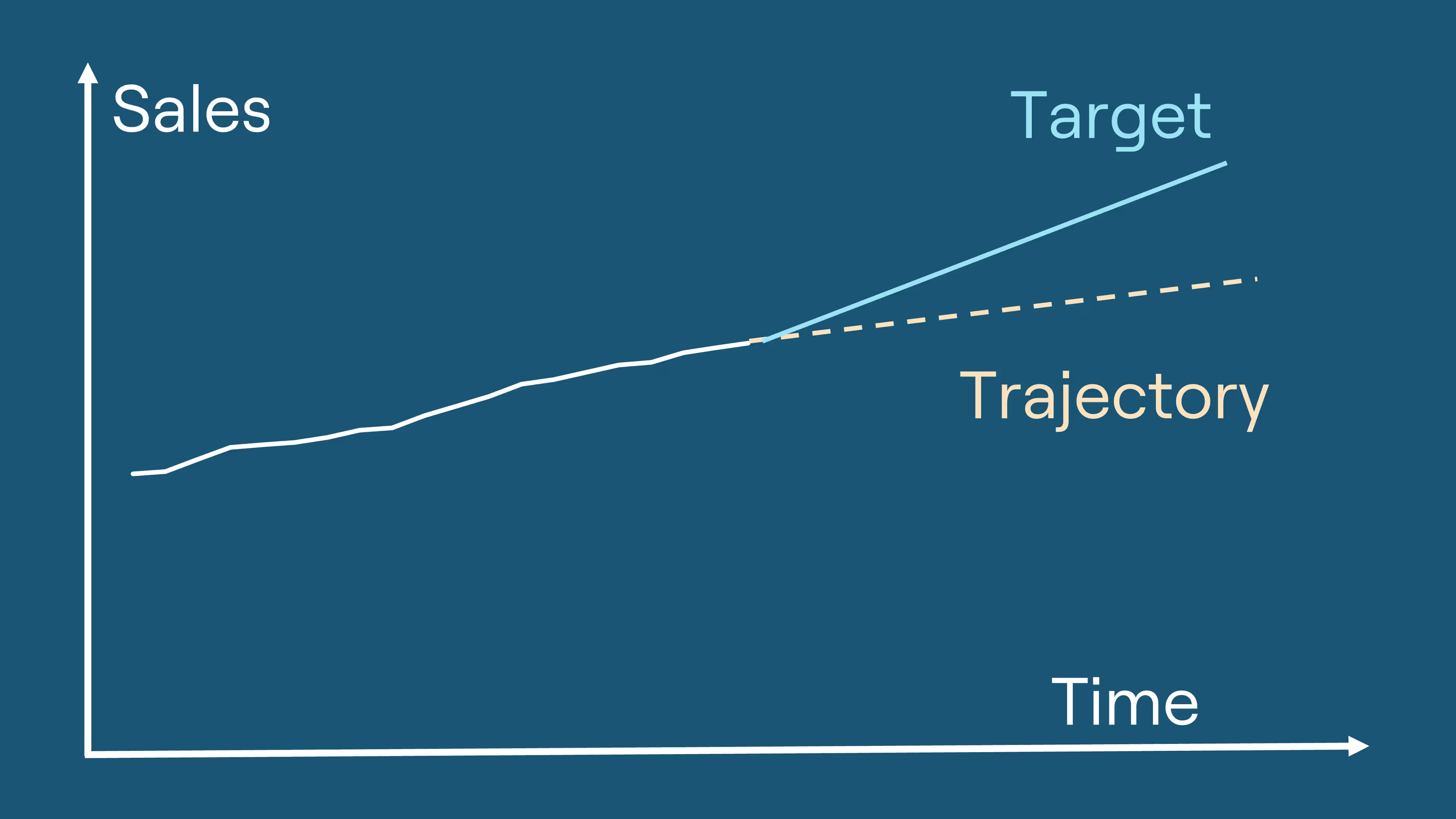
Most DTC teams are flying on last-click data that overvalues branded search and retargeting while undervaluing the paid social and video that actually acquire customers. Sellforte replaces the guesswork with a causal model built for how DTC brands actually grow.
Trusted by leading DTC brands
Trusted by direct-to-consumer brands across fashion, lifestyle, and specialty retail.
How Sellforte’s DTC MMM drives growth
Marketing mix modeling for DTC brands measures the incremental revenue impact of every channel, campaign, and ad set, so you invest where it truly pays off. Most DTC brands overspend on channels that look strong in last-click reporting but don’t drive incremental revenue, while starving the paid social and video that actually bring in new customers.
Sellforte combines MMM, incrementality experiments like geo-lift tests, and attribution data into one causal model. Attribution isn’t replaced, it’s corrected: every recommendation is validated against real experiments, not just modeled. Every account is paired with a dedicated customer success team to guide onboarding, model validation, and ongoing optimization.
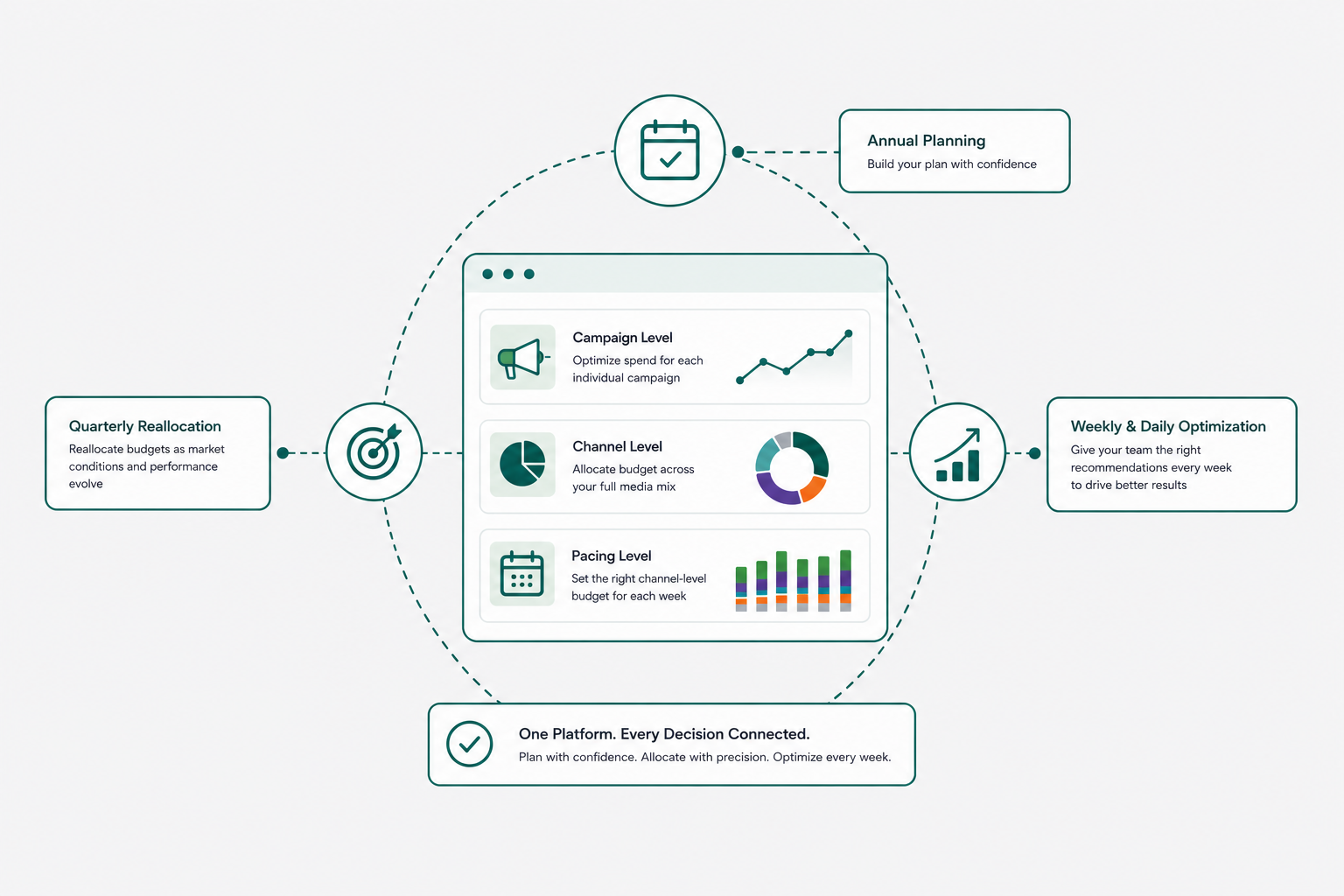
1. Optimize Campaigns
+2.9% revenue
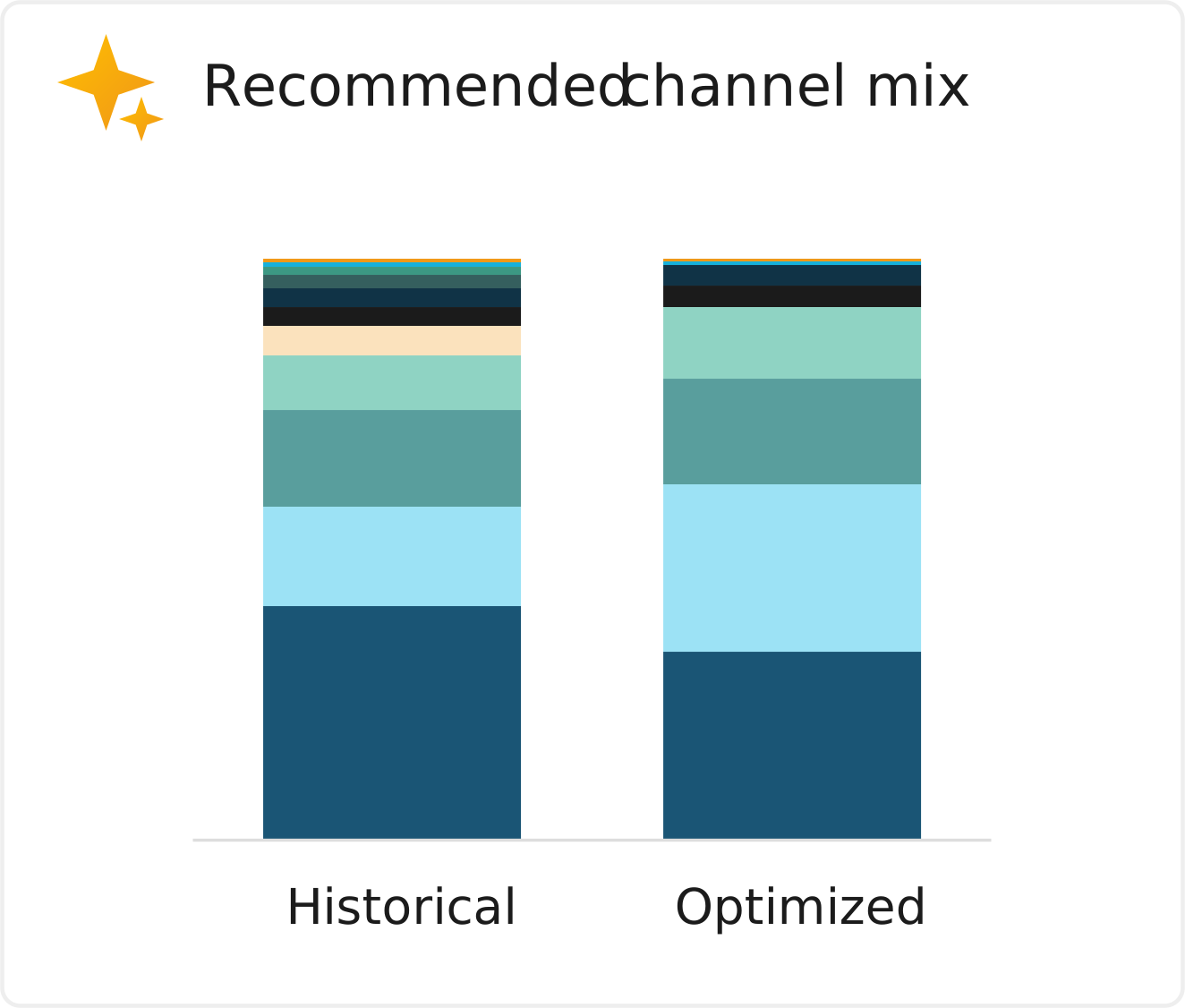
2. Optimize Channel mix
+1.6% revenue
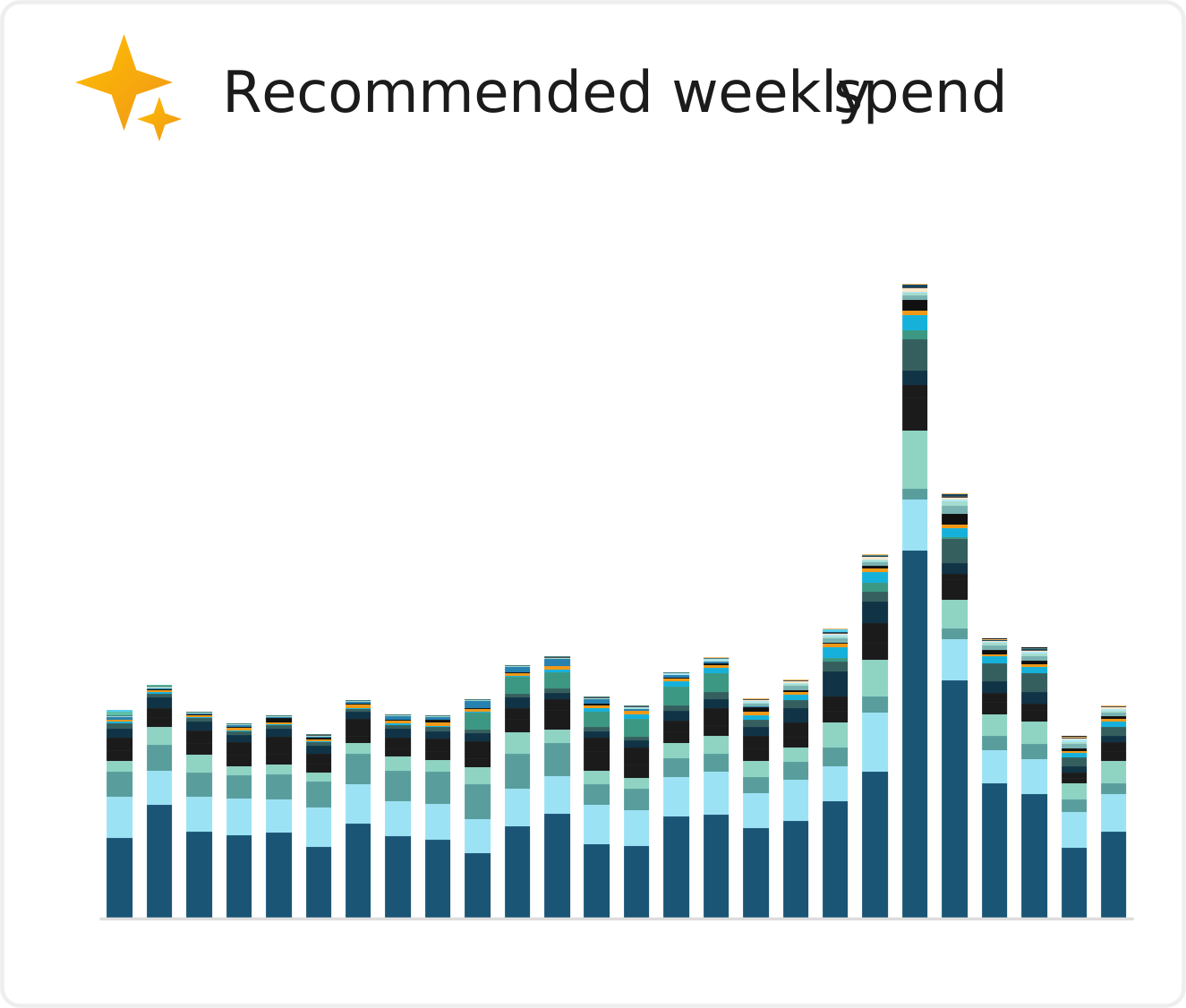
3. Optimize Budget pacing
+2.0% revenue
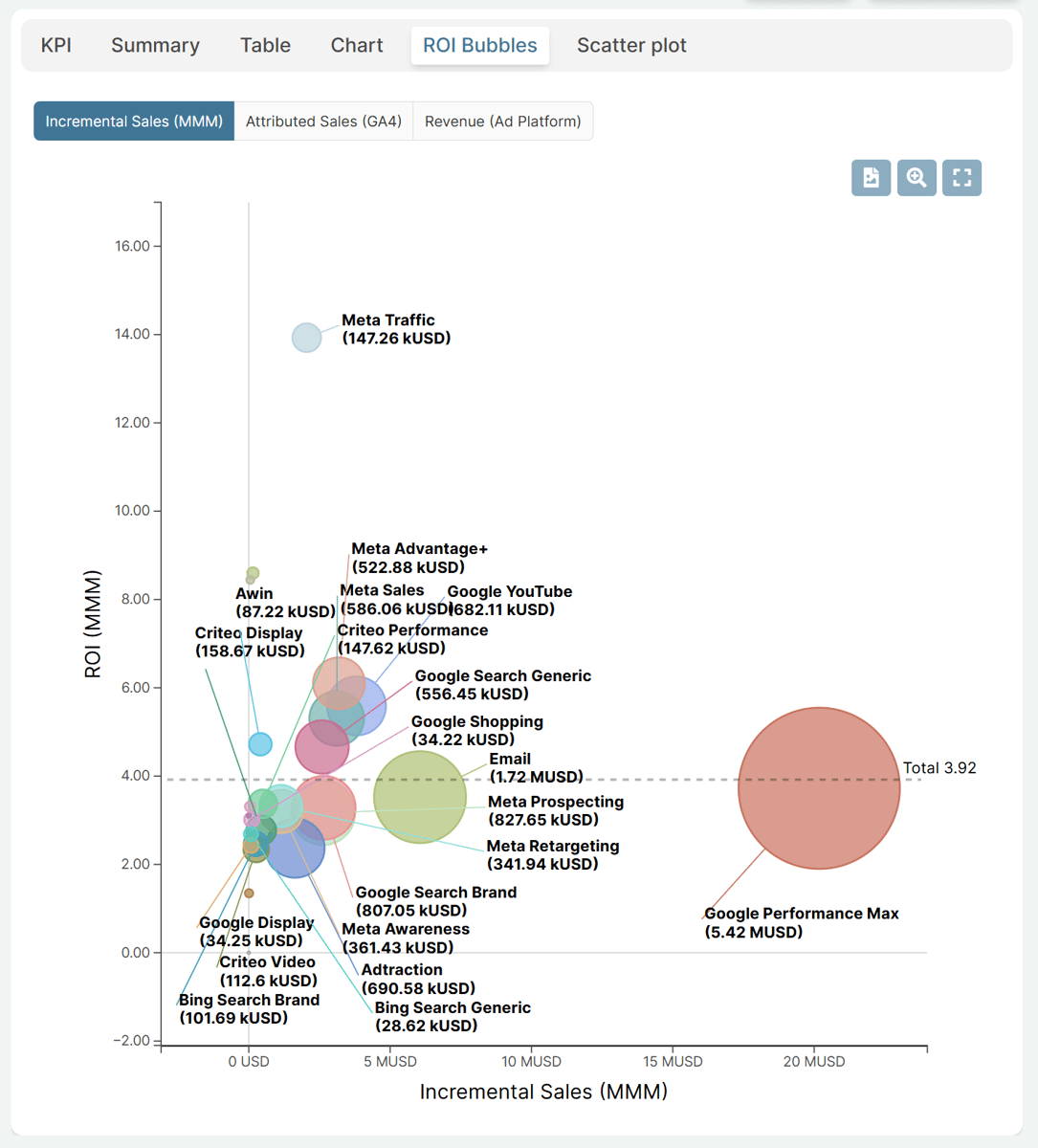
Measure true incremental impact, from channel to ad set
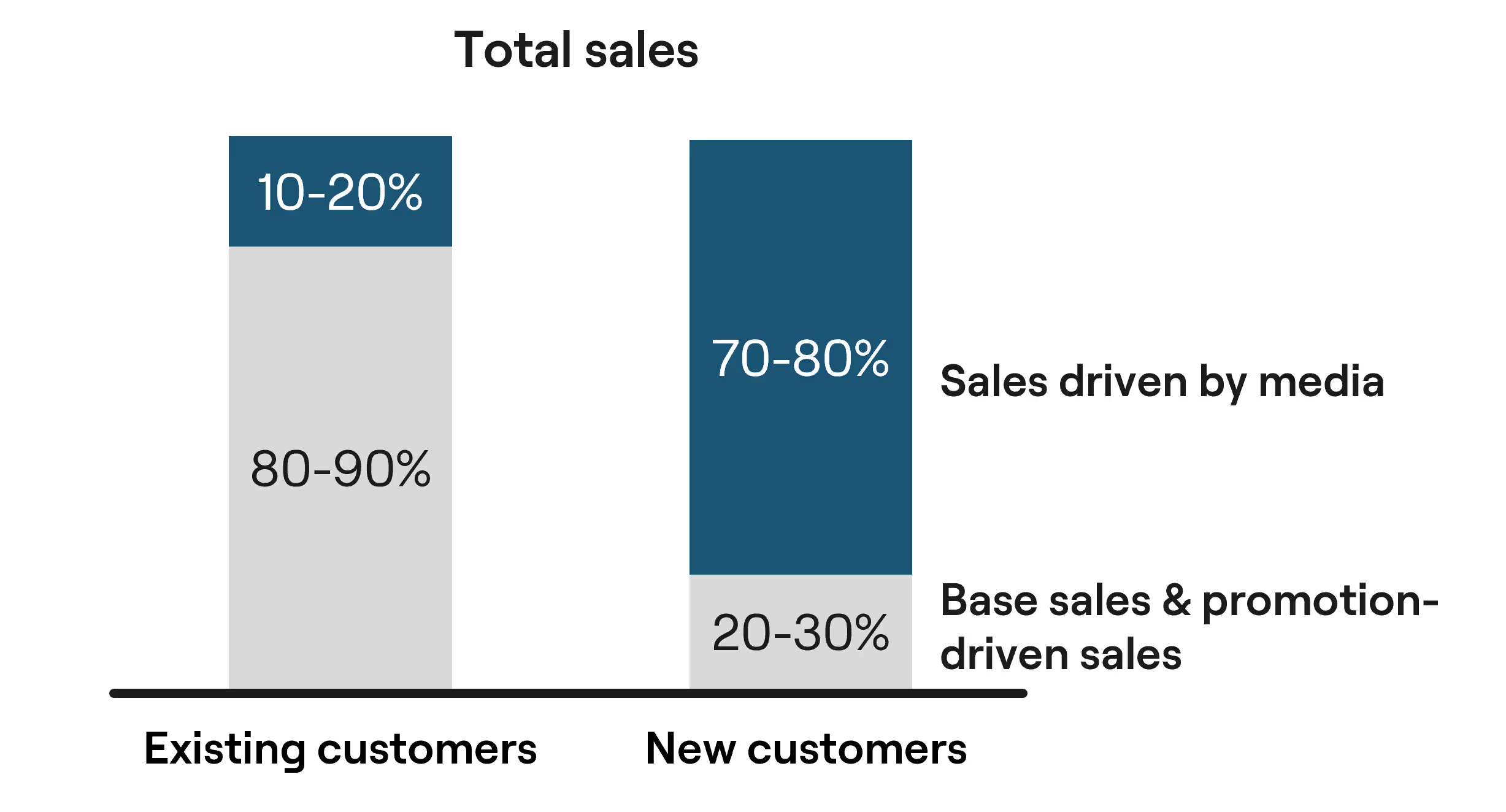
Understand incremental sales, not just attributed sales
Media typically drives 10-20% of existing customer revenue and 70-80% of new customer revenue, meaning total incremental impact can range from 10-80% of sales, depending on growth stage.
Sellforte reveals:
- How much revenue your media truly generates
- Which channels drive new customer growth
- Which campaigns are cannibalizing organic demand
Measure the full funnel, not just the last click
Awareness channels: Paid Video, Paid Social, and Display on Meta and TikTok, often 2x to 17x more effective than last-click suggests.
Demand capture channels: Branded Search and Retargeting on Google, used to identify when these channels are saturated.
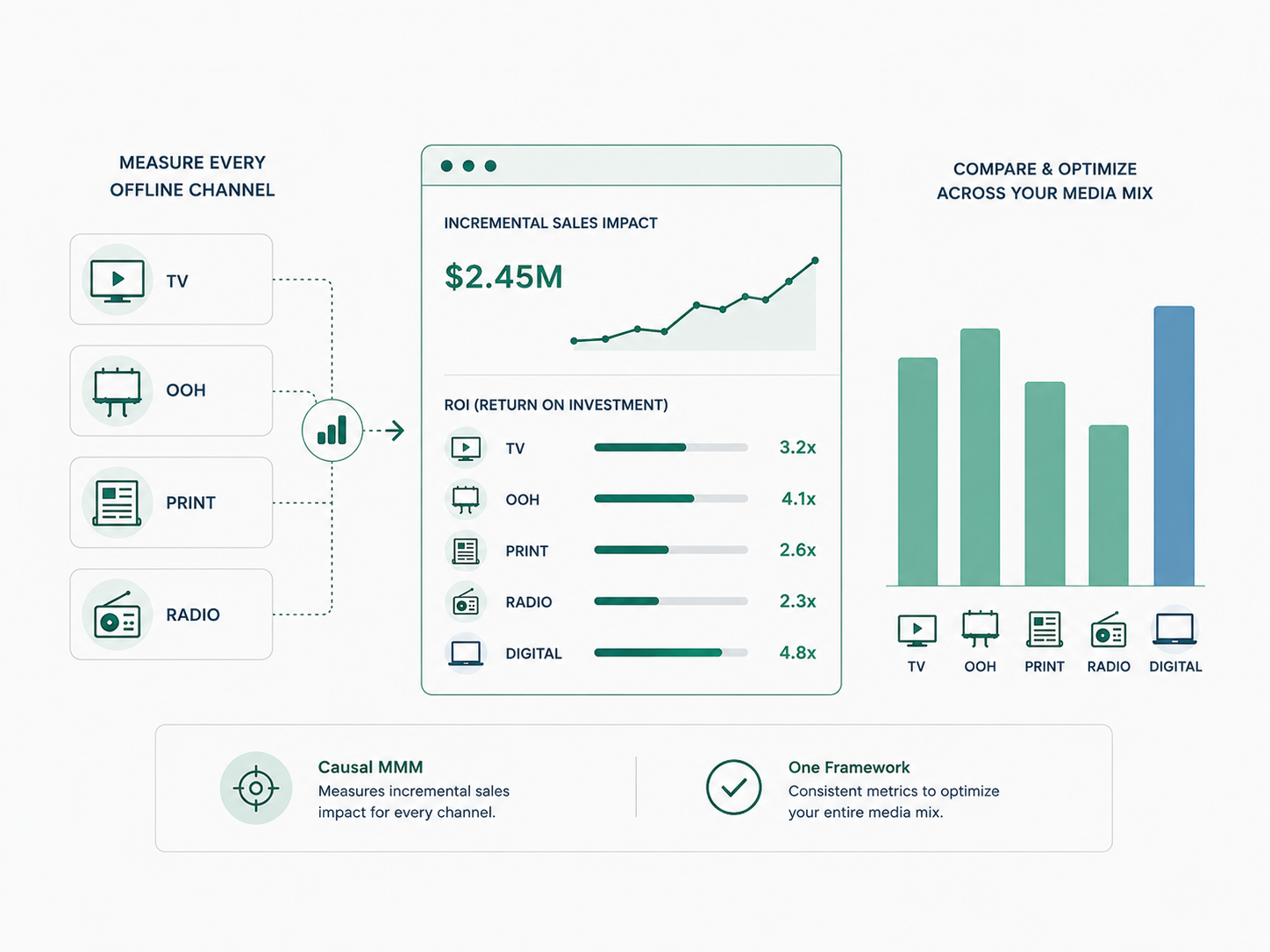
Offline media: TV, Print, and Radio, measured for true ROI before scaling investment.
Optimize campaigns and ad sets with incrementality
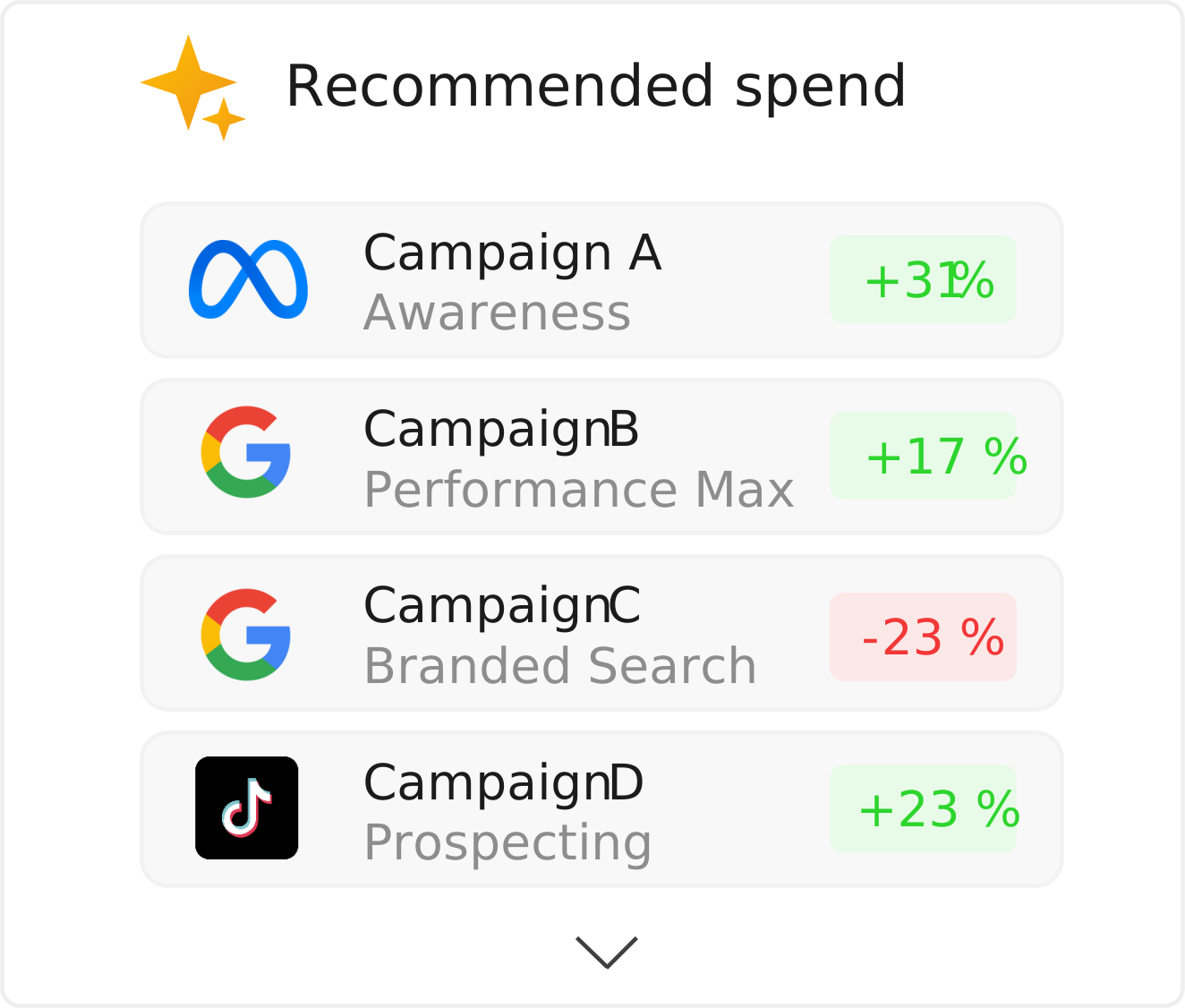
Most MMM solutions stop at the channel level. But real budget decisions happen inside Meta, Google, and TikTok, at the campaign and ad-set level.
Sellforte measures marginal incremental return (miROAS) to show the impact of the next dollar invested, not just historical averages, identifying:
- Which campaigns and ad sets to scale, pause, or adjust
- How bids should change to maximize incremental revenue
- What happens to sales if budgets are increased or reduced
From strategic measurement to daily, always-on optimization, powered by causal MMM and AI-driven, real-time recommendations.
Real measurement for offline media
Many DTC brands start testing TV, print, and radio after they see saturation in digital channels. If you’re testing offline media after digital saturation, you need real measurement, not assumptions. Sellforte helps advertisers measure the true ROI of offline media before scaling investment.
Go beyond ROI: actionable optimization insights
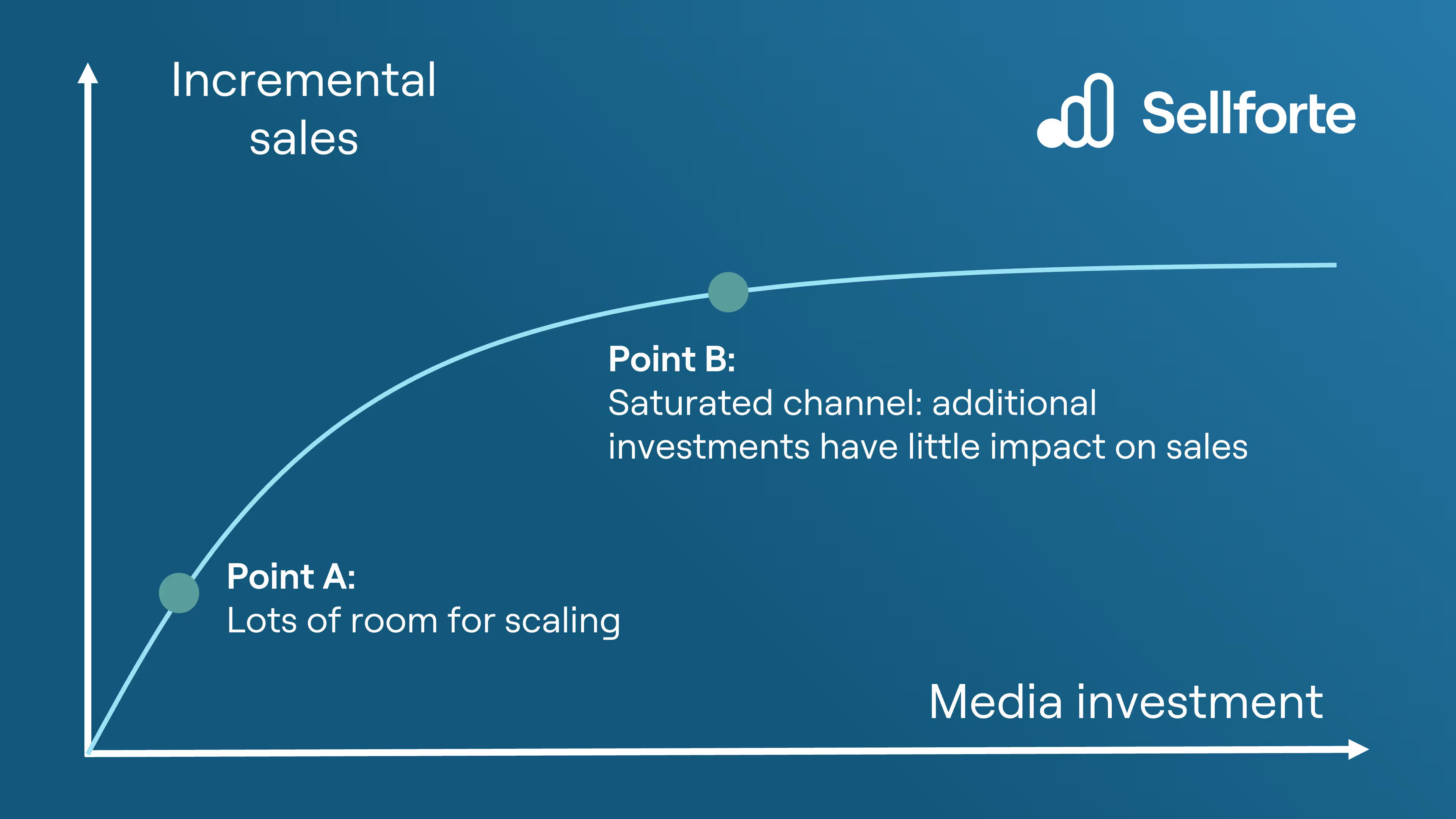
Response curves: know when a channel is saturated
Every channel has diminishing returns. As spend increases, marginal ROI declines, efficiency drops, and scaling becomes expensive. Sellforte’s response curves show where growth is profitable, where you’re overspending, and where to scale next.
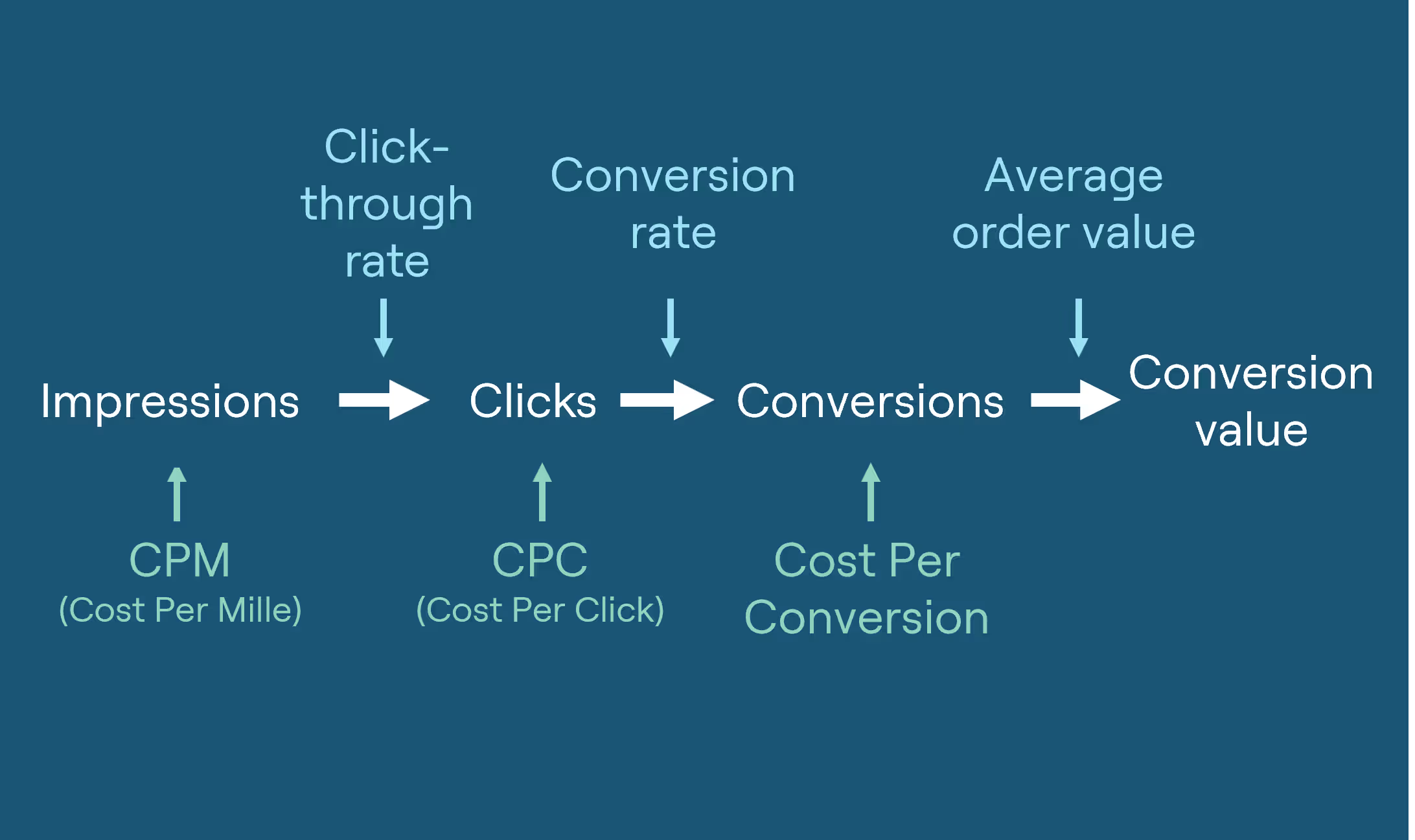
Media metrics: understand why ROI changes
We combine incrementality measurement with platform metrics to explain performance shifts.
Example: a 15% increase in average order value (AOV) may explain improved PMAX ROI. You don’t just see what changed, you understand why.
Learn more about media metrics and MMM → See a live example →
Solve the most pressing DTC growth challenges
Unify fragmented, fast-moving data
Connect ad platforms, ecommerce, and marketplace data into one model, even with messy mapping or inconsistent formatting.
Build a measurement your team actually trusts
Move past platform-reported ROAS and last-click credit to a causal view of what’s truly incremental.
Make budget decisions with confidence
Get campaign- and ad-set-level recommendations your lean team can act on immediately, without manual data collection.
See how this works for your data. Book a 30-minute walkthrough →
Fast and easy onboarding
1. Connect your data
Seamless integrations with ad platforms and ecommerce data. Most customers are live and seeing model outputs within a few weeks of starting onboarding.
2. Start optimizing in weeks
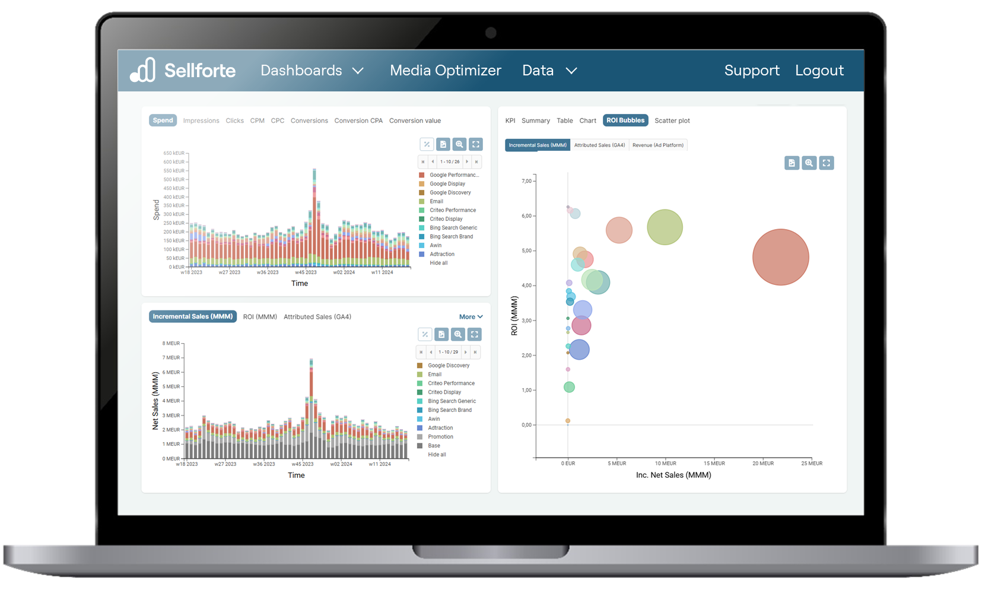
Actionable insights delivered through Sellforte’s dashboard. Recommendations update continuously as new data comes in, so your team always knows where to shift budget next.
FAQ: MMM for DTC Brands
Marketing mix modeling (MMM) for DTC brands is a statistical approach that measures the incremental revenue impact of marketing across digital and offline channels.
Unlike attribution models that assign credit to clicks, DTC MMM quantifies how much each channel actually drives sales, accounting for seasonality, promotions, and external factors.
Last-click attribution assigns full credit to the final interaction before conversion, typically overvaluing branded search and retargeting.
Marketing mix modeling measures incremental impact across the full funnel, including awareness channels like paid social and video. It corrects last-click's blind spots rather than replacing attribution outright, revealing what truly drives revenue.
Traditional MMM focuses on channel-level insights.
Sellforte's DTC MMM goes further by delivering campaign- and ad-set-level recommendations, powered by marginal incremental ROAS (miROAS).
This lets teams:
- Scale or pause specific campaigns
- Adjust bids based on incremental return
- Simulate revenue impact before changing budgets
Sellforte measures incremental impact across:
- Meta
- Google (Search and Performance Max)
- TikTok
- Video and Display
- Affiliate and marketplace advertising
- Offline media, including TV, Radio, and Print
All within one unified, causal model.
With Sellforte, most customers are live and seeing model outputs within a few weeks of starting onboarding. Once connected, the platform begins generating incrementality-based insights and optimization recommendations.
Sellforte unifies MMM, incrementality experiments, and attribution into one causal model, so every recommendation is validated rather than just modeled.
This gives DTC teams a defensible, always-on view of which channels and campaigns to scale, cut, or pause.
miROAS measures the incremental return of the next marketing dollar, not historical average ROAS.
This lets DTC marketers:
- Identify diminishing returns
- Allocate budget more efficiently
- Make forward-looking optimization decisions instead of just reporting on the past
No. Sellforte is built for DTC brands with significant media investment, multiple channels, and a need for daily campaign-level optimization, whether they operate purely online or are beginning to test offline media.
Customer News
-1.png?width=900&height=509&name=Customer%20Announcements%20(3)-1.png)
Nordic Bites Group Oy, the Master Franchisee for Subway Nordics, selects Sellforte to unify marketing measurement across Finland and Sweden

Caseking Partners with Sellforte to Drive Smarter Marketing Investments Through MMM & Incrementality

Azzas 2154 Expands Partnership with Sellforte to Scale MMM Across Fashion Brand Portfolio

Latest Blog Posts

Can MMM and Incrementality testing measure the full sales impact of mid-funnel and top-of-funnel campaigns?

Introducing Sellforte Activate for TikTok: Measure TikTok's True Incremental Impact and Turn It Into Action